





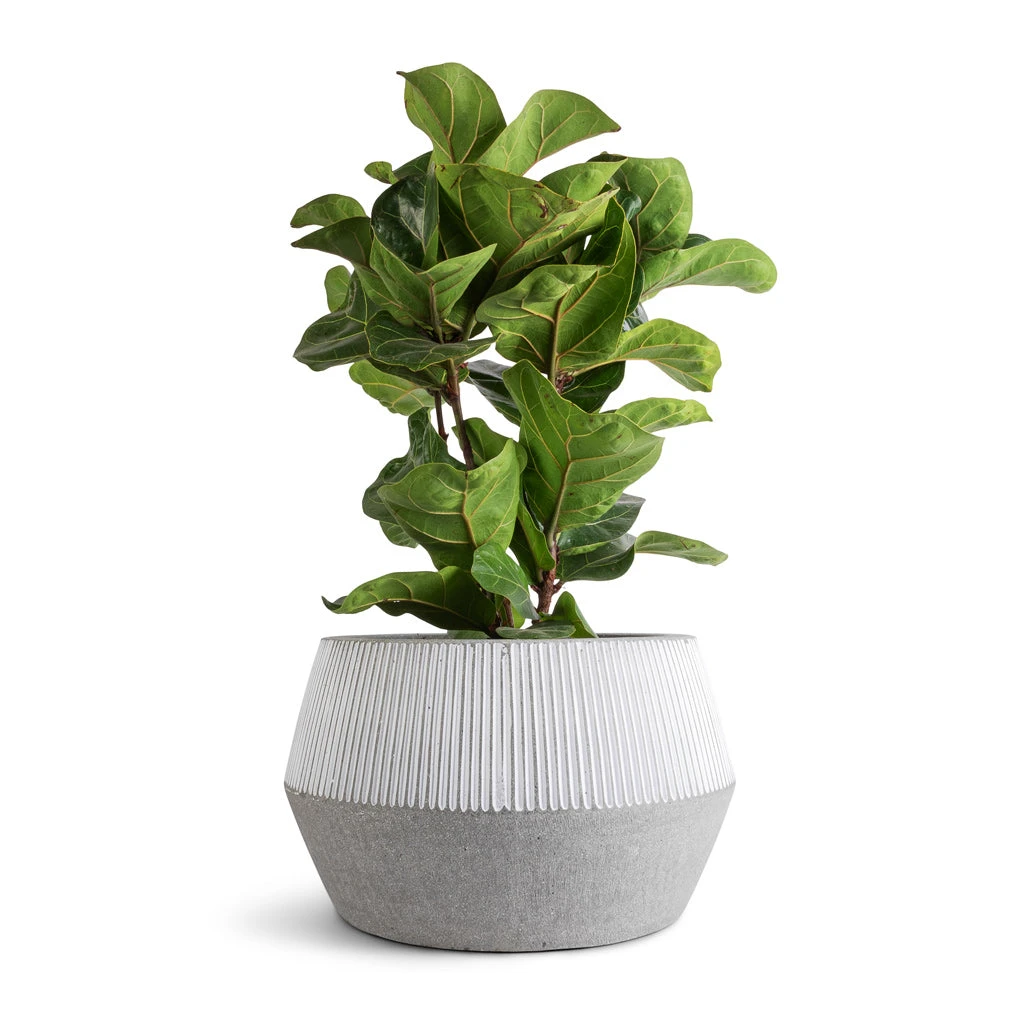

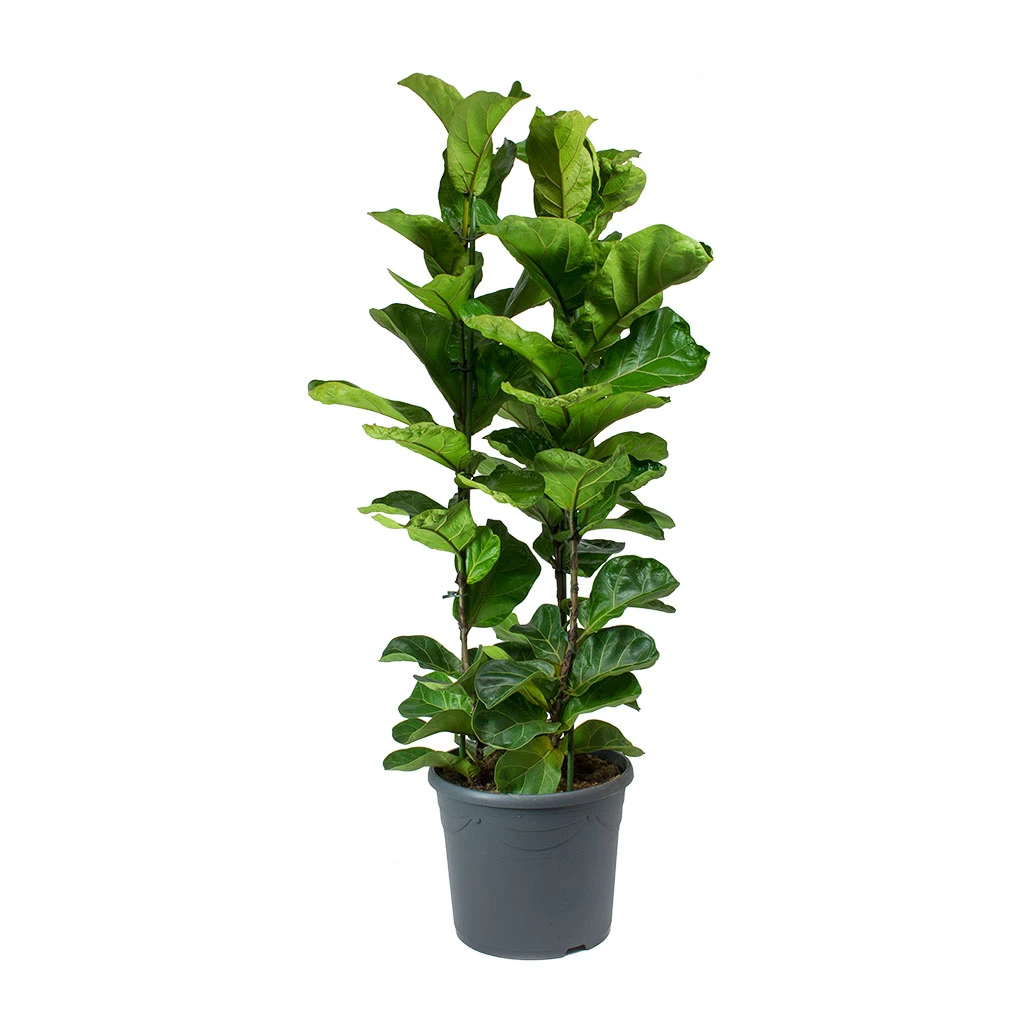

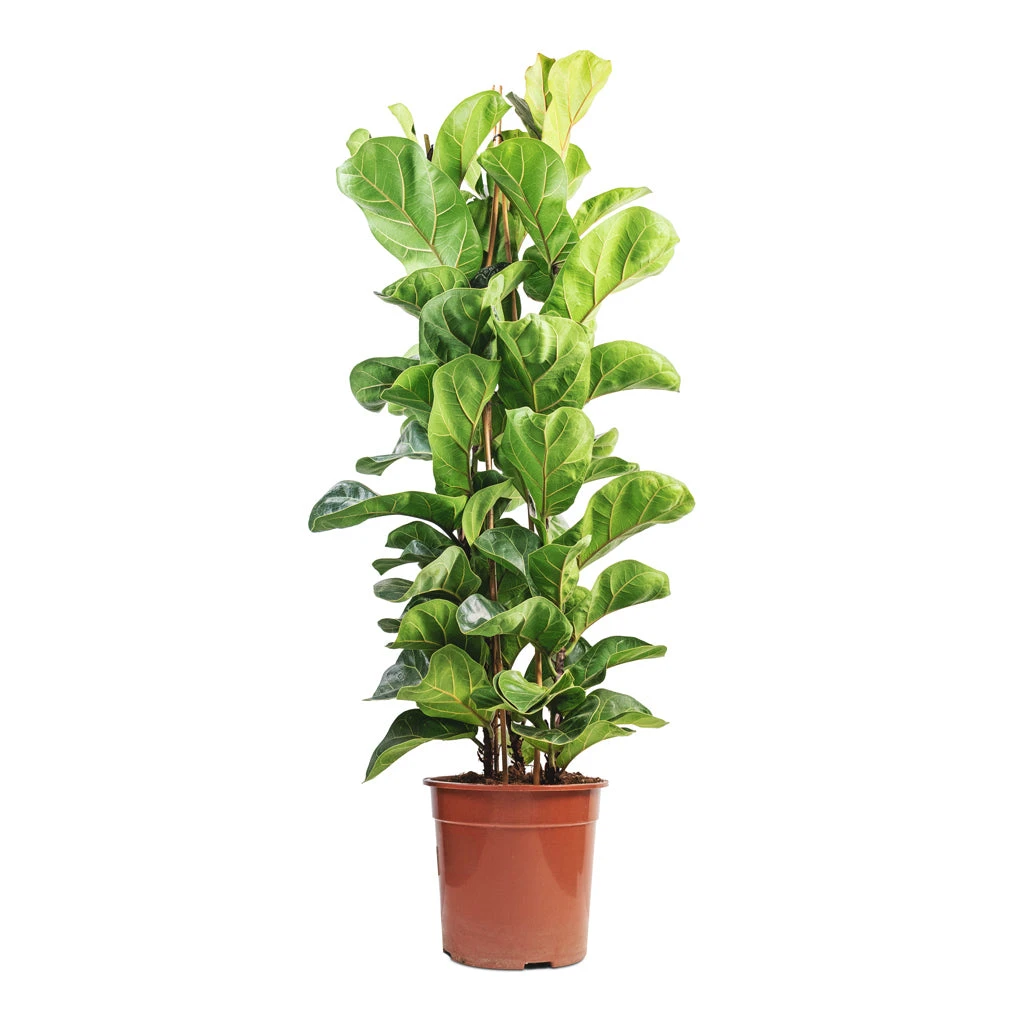

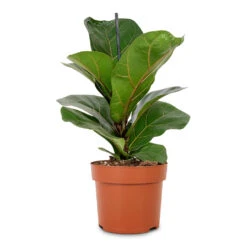
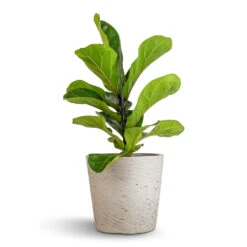
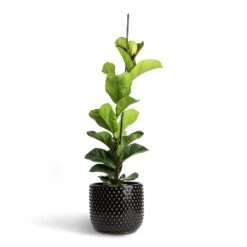

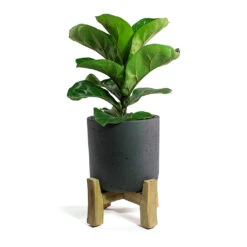
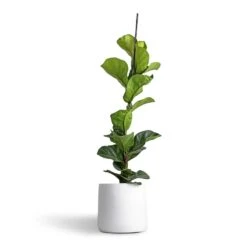
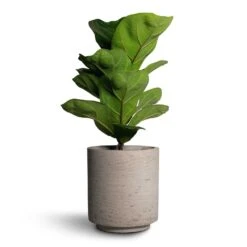
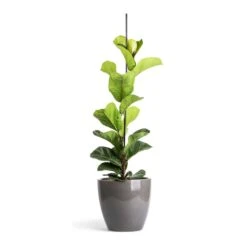

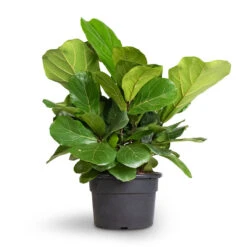
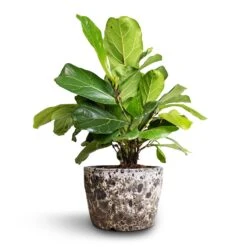
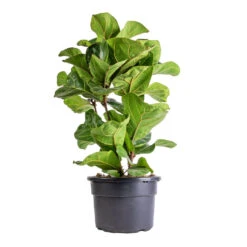
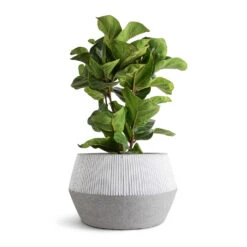

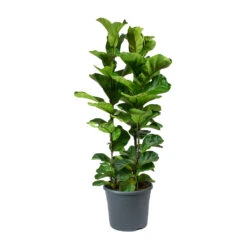
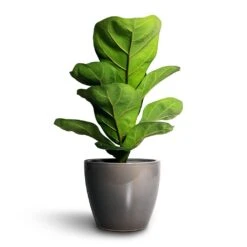

Ficus Lyrata Bambino – Dwarf Fiddle Leaf Fig
Original price was: £14.99.£10.49Current price is: £10.49.
- Unbeatable Quality, Unbeatable Value
- 7-Day Returns, 100% Quality
- Superior Quality Goods
- Shop with confidence, we guarantee quality.

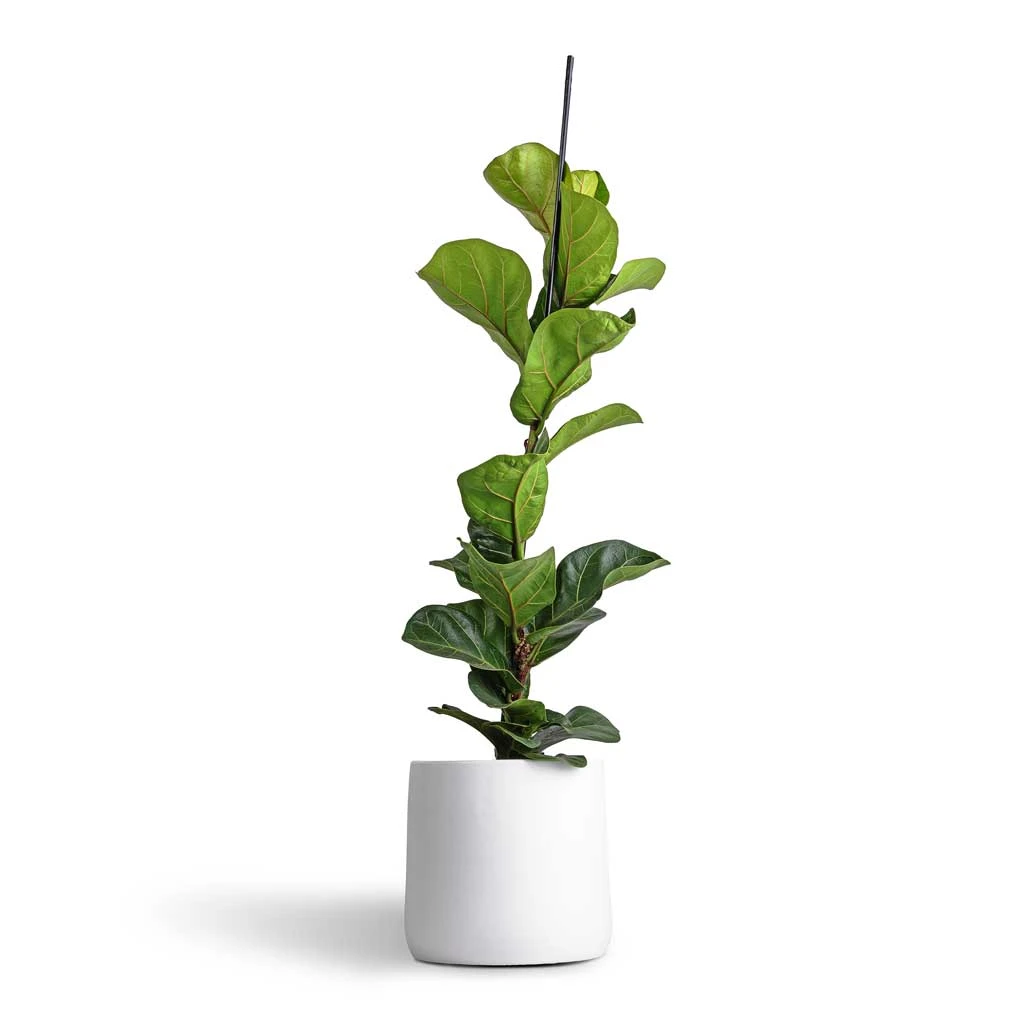
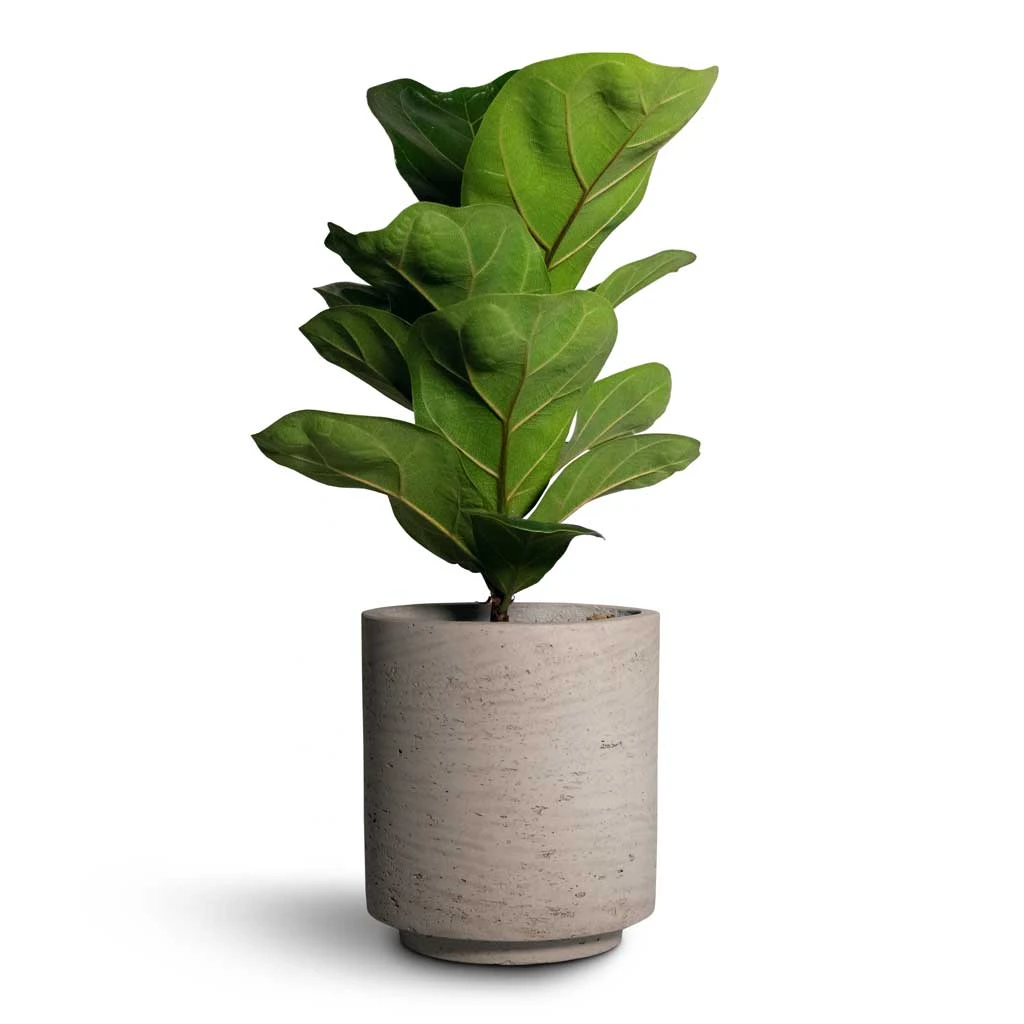
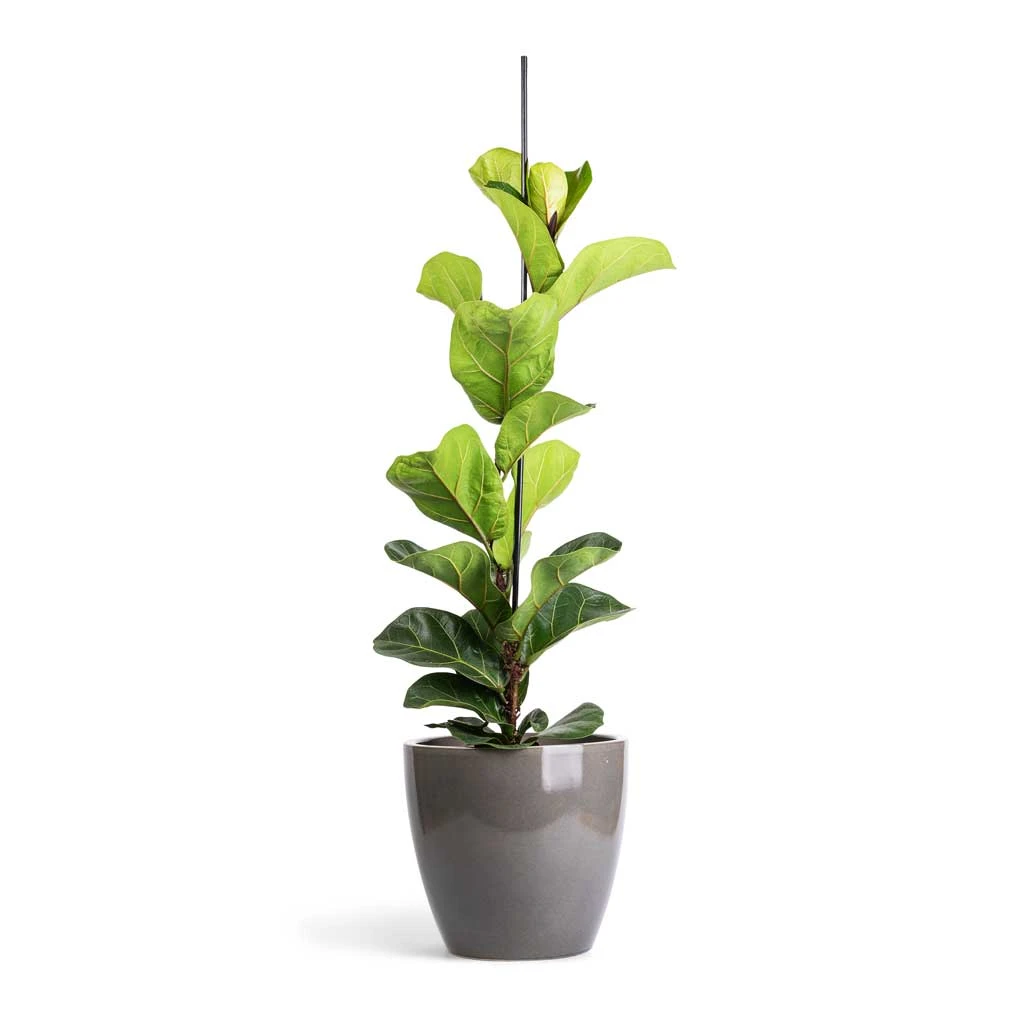
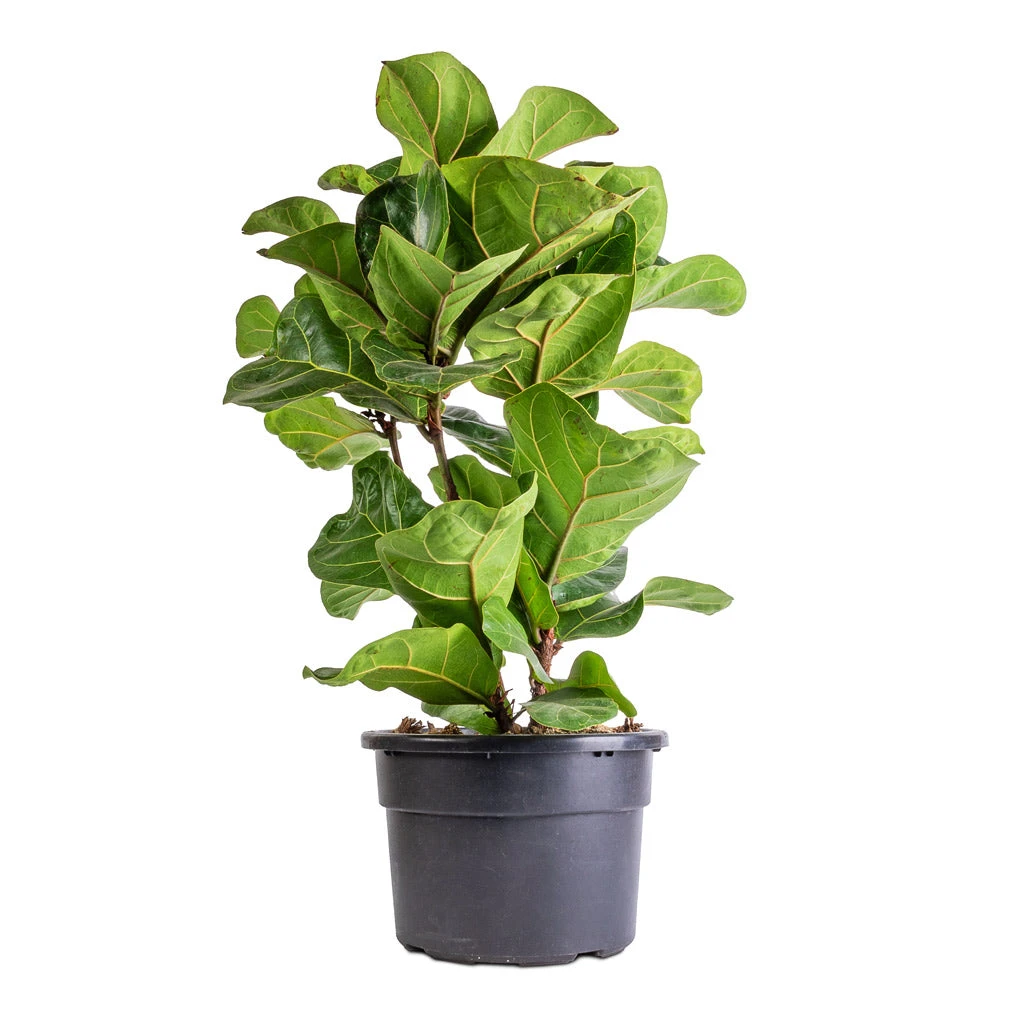
This is a relatively new dwarf cultivar of Ficus lyrata that is already gaining attention as an ‘IT’ houseplant for contemporary living.
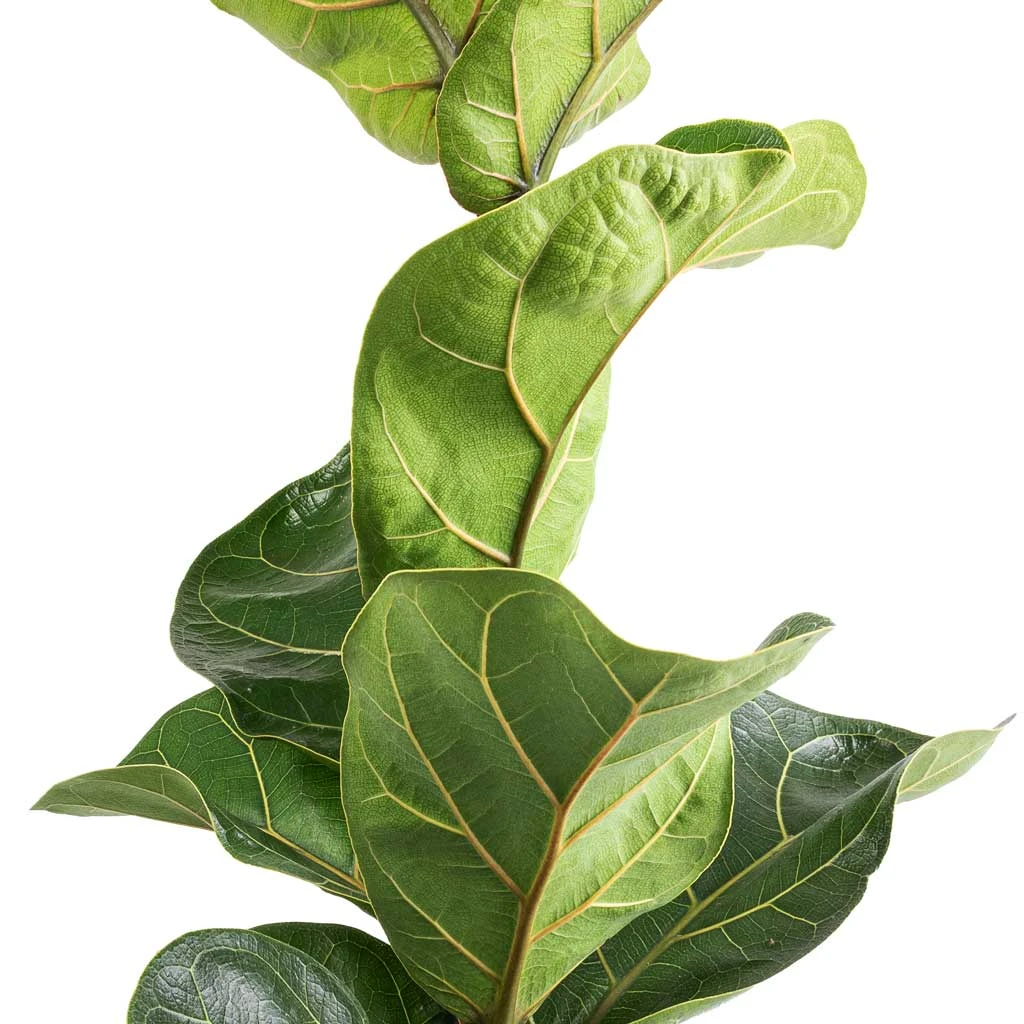
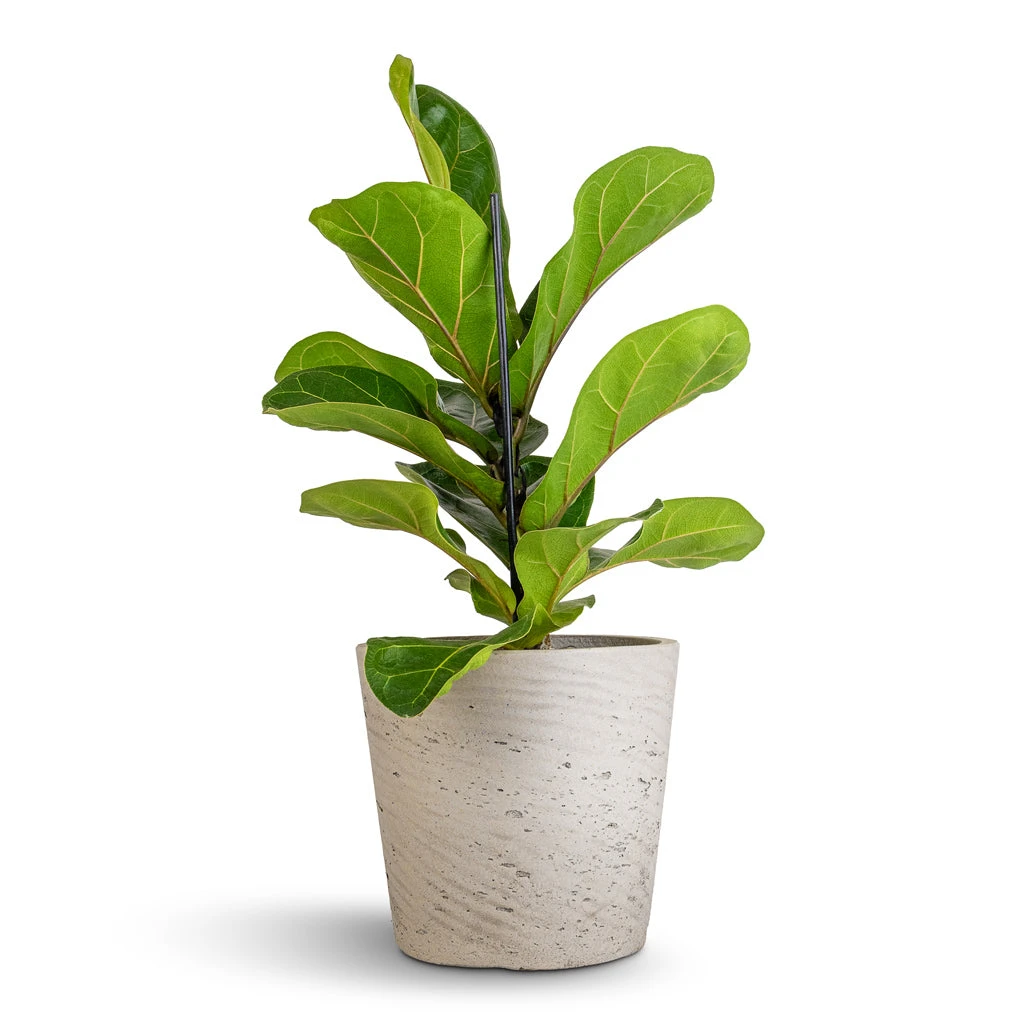
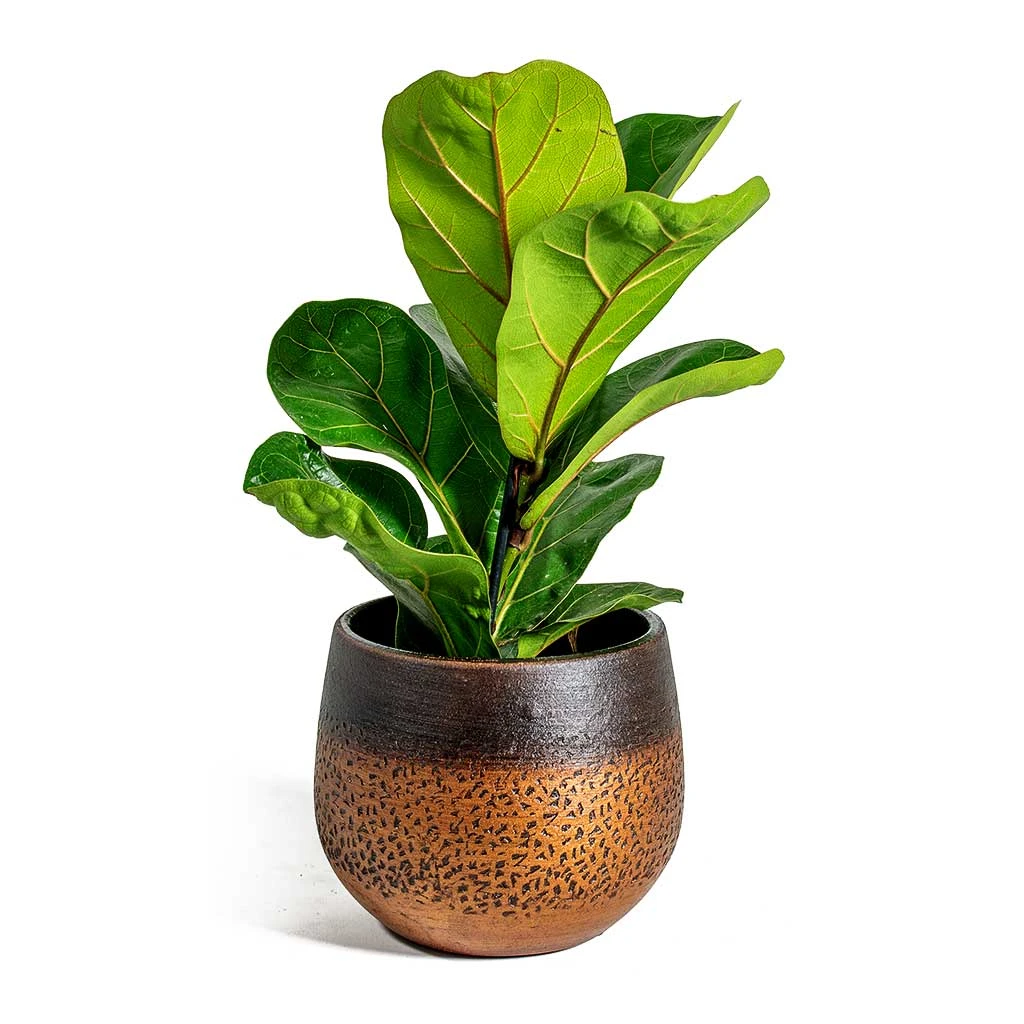
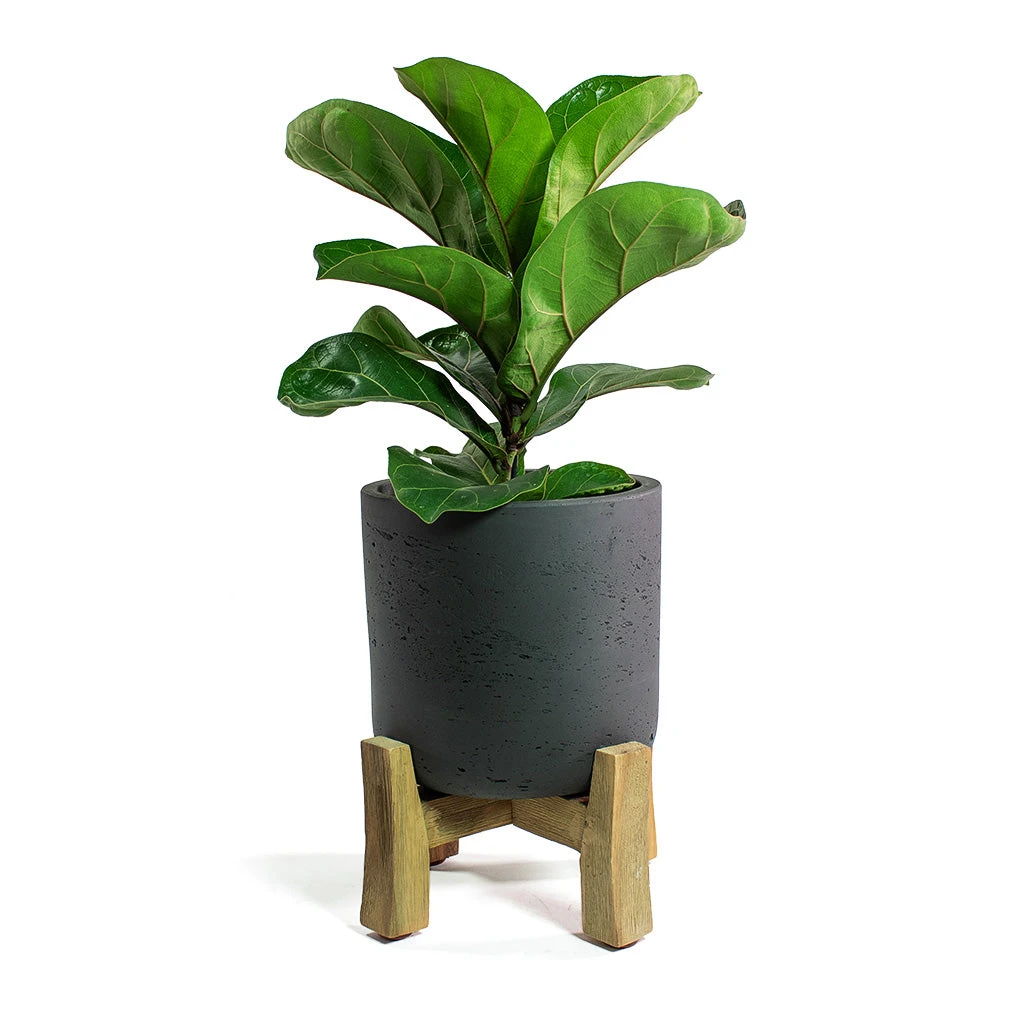
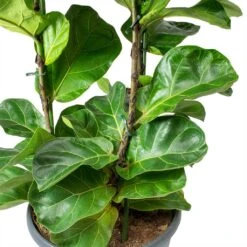
Ficus lyrata Bambino has an extremely compact, upright, branching nature; slightly smaller and thicker leaves compared to Ficus lyrata, but still with the same amazing fiddle-shape and somewhat lighter veining. They are ideal house plants, adding rich, green foliage and filtering the air of unwanted pollutants at the same time.
Ficus lyrata Bambino – Dwarf Fiddle Leaf Fig Care & Info Guide
Horty Hints
Don’t adorn with dust! Keeping these big broad leaves dust free will help your plant photosynthesize and grow.
Insufficient light or improper watering can also trigger leaf drop! Find a more suitable location and adjust your watering schedule. Your plant should quickly recover.
Sticky latex will ooze from the ends of cut stems! This can be an irritant, so make sure to wash your hands afterwards.

Light
Ficus lyrata Bambino prefers bright, indirect light but can tolerate some light shade and some direct (but not harsh or midday) morning or afternoon sun.

Watering
Water when the soil starts to become slightly dry at the top. Keep the soil lightly moist at all times, but do not overwater as this will cause leaf drop.

Temperature
The Dwarf Fiddle Leaf Fig prefers temperatures between 16-24°C. Avoid draughts as these can create undesirable temperature fluctuations.

Humidity
This Fig has no specific humidity requirements, although for an added boost, consider giving your plant an occasional misting.

Feed
Apply a weak dose of a fertiliser once or twice a month during the growing season.

Height & Growth Rate
The lyrata Bambino is not known to be particularly fast or slow-growing, and typically reaches an ultimate height of 1 to 1.5m indoors.

Toxicity
Considered poisonous due to the latex in the sap, therefore keep away from children and animals. Avoid this plant if you have a latex allergy. Contains allergens that may result in asthma symptoms.

Air Purifying
This plant filters airborne toxins such as carbon monoxide and benzene and is part of our clean air plant collection.

Origin
Ficus lyrata Bambino is native to Western Africa.
| SIZE: Pot Diameter x Total Height | 12 x 35cm (1 stem), 19 x 80cm (1 stem), 21 x 80cm (3 stems), 24 x 120cm (3 stems), 30 x 120cm (3 stems) |
|---|
Be the first to review “Ficus Lyrata Bambino – Dwarf Fiddle Leaf Fig”
Related products
HOUSEPLANT STYLES

HOUSEPLANT STYLES
HOUSEPLANT STYLES
HOUSEPLANT STYLES
HOUSEPLANT STYLES
HOUSEPLANT STYLES

HOUSEPLANT STYLES
HOUSEPLANT STYLES
Reviews
There are no reviews yet.